

‘What’s the safest way to defrost chicken?’ We answered your food safety questions
26 Οκτωβρίου 2026, 19:47
Μοιραστείτε το:


We hosted a live Q&A with guest experts Rachel Sherman and Caroline L Schauer
The Drexel food lab tested the best air fryers (the Cosori, a hands-down winner), the best nonstick cookware (Our Place, trendy and top of the line) and much more
Adrian from Toronto, Canada asks in a callout question: How do I make my fridge work better? In my mini fridge, cans sometimes get so cold that they explode, and sometimes milk goes bad faster. Is uneven refrigeration something I can improve, or is it just a sign of a bad fridge?
Rachel: My first thought here is to make sure your refrigerator is not overfilled. Uneven refrigeration could be due to lack of airflow if you have too much on your shelves. If this is not the case, it would be best to call in a professional. It could be something like a poor seal or an issue with the coils.
This is a little out of my expertise so I would definitely get someone in to take a look at it.
Rachel: The major concern when defrosting chicken is to stay out of the temperature “danger zone,” or the temperatures at which bacteria can grow most quickly. The USDA identifies as 40F-140F (noting here that before eating, USDA suggests chicken should be cooked to 165F). If you forget to put your chicken in the refrigerator the night before to defrost, you can place your chicken, still sealed, in a bowl of cold water. Make sure you change the water often, or keep it at a slow drip so that the water stays cool.
Microwaves can also assist, most have a defrost function, however microwaves do not always cook evenly so if you use this route, it is best to cook it immediately. If you have an instant pot, and are only cooking a few pieces you can find cook from frozen recipes online. Just remember to keep an eye on the danger zone. My advice if you are worried about food safety is to keep a food thermometer in the kitchen (I use the ThermoWorks Thermopop) so you can feel confident about your food safety decisions.
Continue reading... theguardian.com
Τελευταία Άρθρα
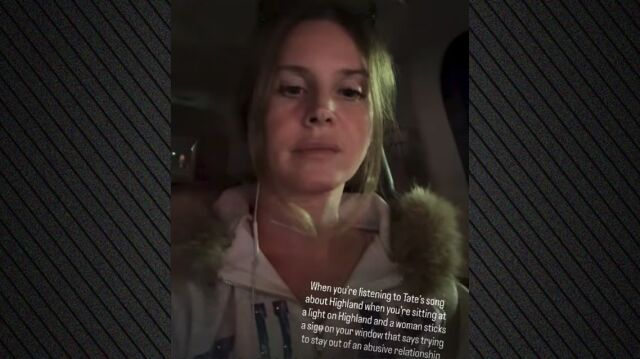
Η Λάνα Ντελ Ρέι έδωσε 100 δολάρια σε γυναίκα που προσπαθούσε να ξεφύγει από κακοποιητική σχέση, δείτε βίντεο
26 Οκτωβρίου 2026, 21:28
«Ο πρίγκιπας Χάρι κάνει ό,τι του λέει η σύζυγός του»: Η αφοπλιστική δήλωση πρώην βασιλικού γραμματέα
26 Οκτωβρίου 2026, 21:22
Νέα σχέση: 10 «παράξενες» συμπεριφορές που δεν πρέπει να προσπεράσετε
26 Οκτωβρίου 2026, 21:20Advertising

Instagram Feed


Scroll to Top